
Shoulder Pain Physical Therapy in Riverdale, MD
Your Shoulder Wasn't Built to Quit
Pinching, aching, or weak overhead—shoulder pain that keeps stalling your training has a root cause. We find it and build a one-on-one plan to get you back to it.
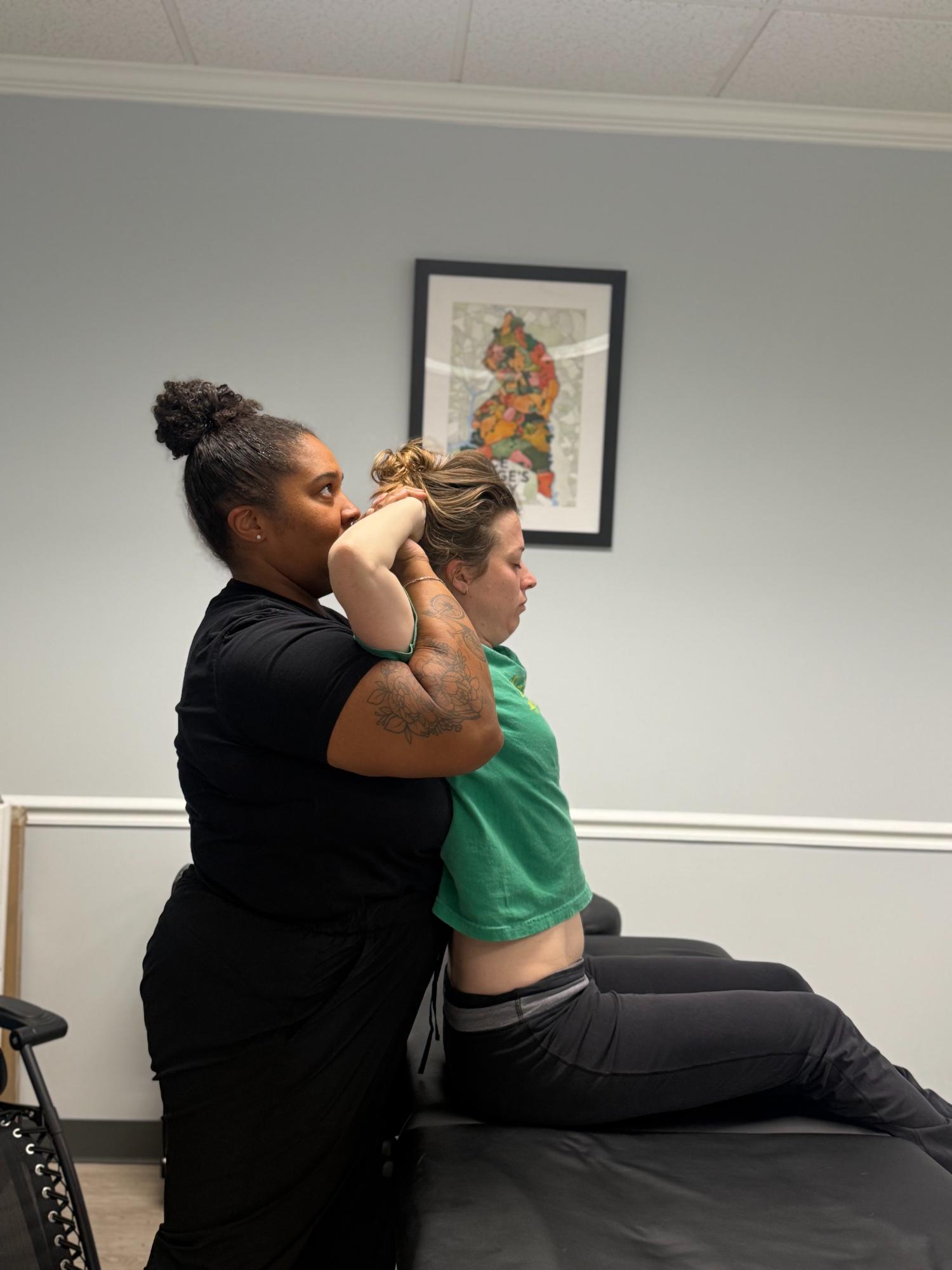
Working Around Shoulder Pain Only Reinforces the Movement That Caused It
Rest Hasn't Made It Go Away
Backing off for a few weeks can settle a sore shoulder, but the pain tends to return the moment you press, pull, or throw again—because the driver is still there.
It's Changing How You Move
Shrugging the load, shortening your reach, or favoring the good arm shifts stress onto your neck and the other shoulder. Small compensations stack into bigger problems.
Random Exercises Aren't Targeting It
A few rotator-cuff bands pulled off a video rarely match what your shoulder actually needs. Without the real driver, you're guessing—and guessing costs you months of training.
Shoulder Pain Care Led by Licensed DPTs
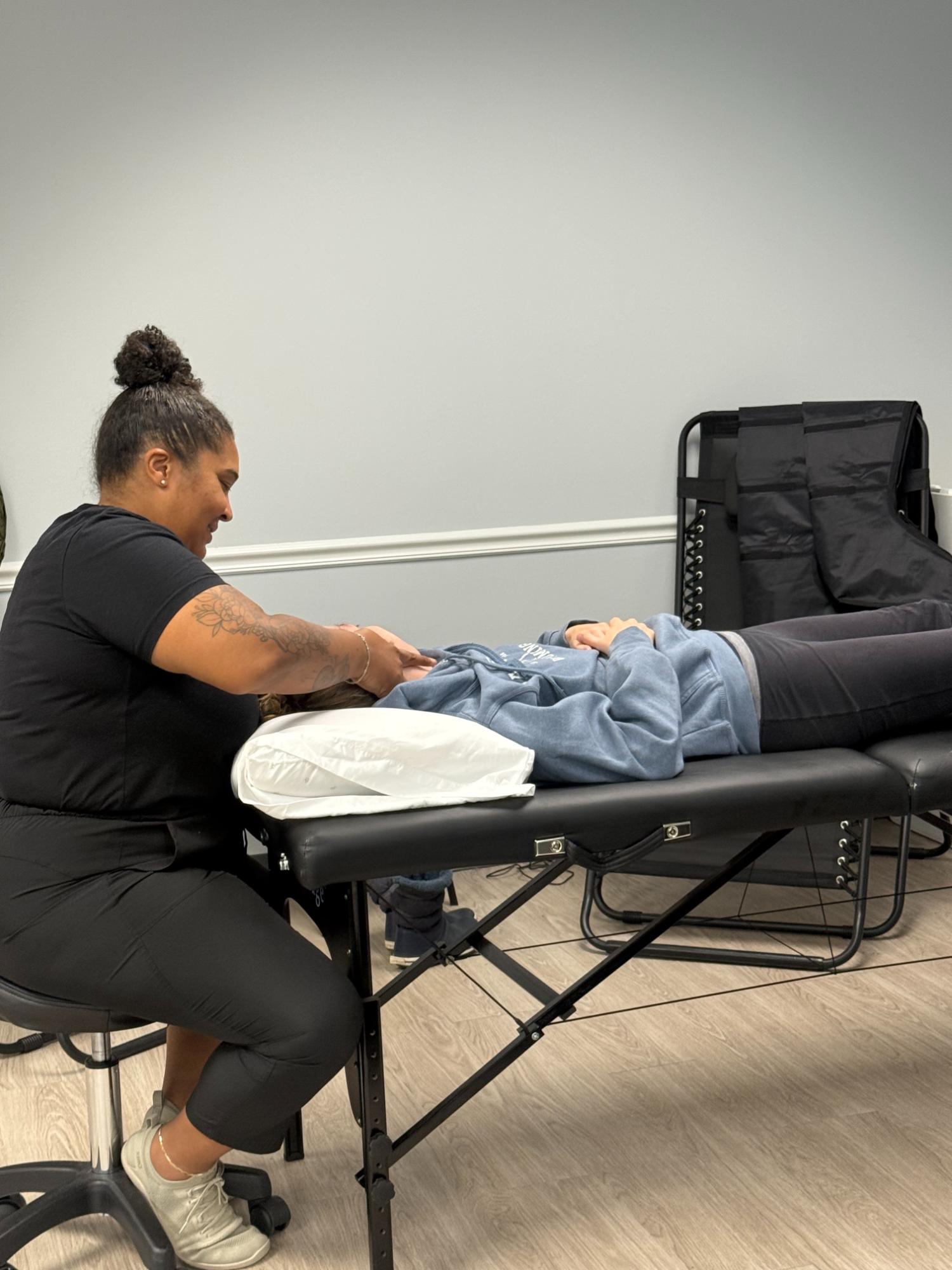
Every shoulder pain plan at Process PT is built and delivered by a doctor of physical therapy—using objective testing and hands-on care, never a handed-off protocol.
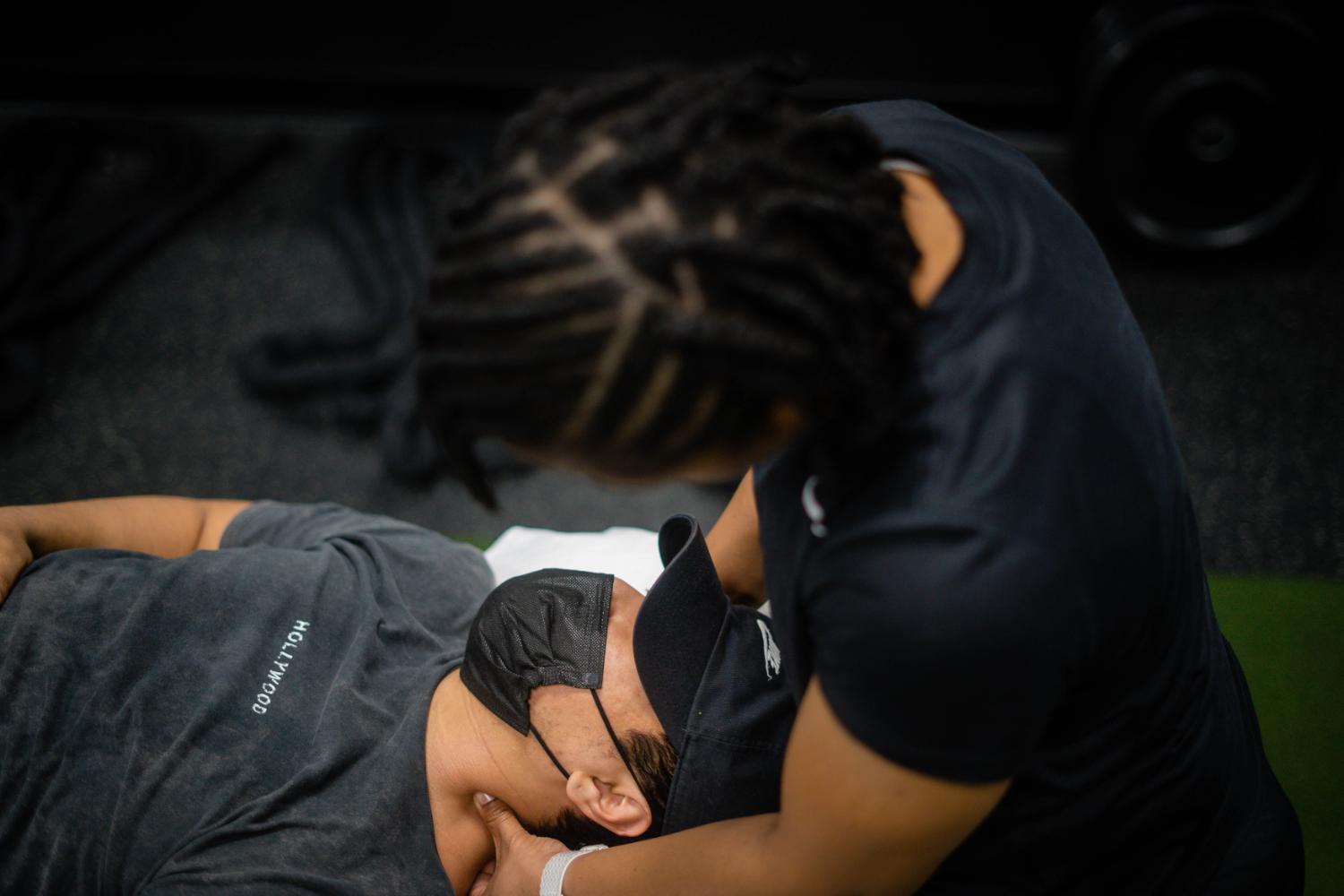

What Brings Athletes In With Shoulder Pain
People come to us when shoulder pain keeps getting in the way of training, lifting, or daily life. These are the situations we help with most.
Rotator Cuff Pain and Tears - Aching or weakness when you lift overhead, reach behind you, or sleep on the shoulder that won't settle on its own.
Shoulder Impingement - A pinch at the top of the shoulder that flares with pressing, raising the arm, or repetitive overhead work.
Frozen Shoulder - Stiffness and lost range that creeps in gradually and makes everyday reaching feel locked down.
Labral Irritation - Clicking, catching, or a deep ache in the joint that shows up with throwing, cutting, or end-range loading.
Shoulder Pain From Pressing and Lifting - Discomfort under the bar that limits your overhead and bench work and nags after sessions.
Overhead Athlete Shoulder Pain - Pain that builds through a throwing, swimming, or serving season and won't ease with rest alone. A focused sports physical therapy plan can help.
Post-Surgical and Lingering Shoulder Issues - Rebuilding strength, mobility, and confidence after surgery, or pain from an old injury that never fully resolved.
OUR 3 STEP RECOVERY PROCESS

Put the Fire Out
Decrease pain and symptoms using breathwork, taping, soft tissue mobilization, and dry needling.

Address the Root Cause
Through a series of assessments, we determine limitations in mobility, strength, motor control, and endurance. No guesswork here.
.png)
Give You Tools to Remain Pain Free Long Term
Address the deficits that led to the initial injury. Return to activity and sport performing better than ever.
Real Results From Shoulder Pain Care
See how active adults in Riverdale got back to training without shoulder pain holding them back.


Frequently Asked Questions
Thinking about PT for your shoulder pain? Here's what athletes in Riverdale ask us most.
Do I need to stop training while we work on my shoulder pain?
Usually not. Keeping you moving is central to how we work. We learn the demands of your sport or lifts, then adjust load and exercise selection so you can keep training as much as is safely possible while your shoulder recovers—instead of shutting everything down.
What actually causes shoulder pain in active adults?
Shoulder pain usually traces back to how the joint moves and loads—mobility limits, strength gaps, or patterns that overload the area. We use movement assessment and, when it helps, dynamometer strength testing to find the real driver instead of guessing, then build your plan around it.
Is shoulder pain physical therapy covered if I have insurance?
We're a cash-based clinic and don't bill insurance directly. You get a full hour one-on-one with your DPT every visit, and we provide a superbill after each session that you can submit for potential out-of-network reimbursement. We also accept HSA and FSA cards.
How soon will I notice a difference?
Every shoulder is different, so we don't promise timelines. Many patients notice meaningful changes in pain and movement within the first few weeks, and after your initial assessment we'll give you a clear picture of your plan based on how your body responds.
What happens during my first visit?
Your first session is a full hour with your DPT. We assess how your shoulder moves and loads, look at the neck and upper back around it, and start to pinpoint what's driving your symptoms—so everything from there is built around your body, not a generic protocol.
Still have questions?
Reach out with any questions and we'll be happy to help.
Ready to Move Without the Shoulder Pain?
Book a free discovery call and let's get to the root of your shoulder pain—and get you back to training.