When you are sidelined by an injury, the first question is almost always the same: how quickly can I get back to my sport? Whether you are training for a race or pushing hard in the gym, being unable to perform is deeply frustrating. At Process Physical Therapy and Performance, the goal is not a temporary fix. The focus is on healing correctly and returning stronger.
Recovery timelines are never one-size-fits-all. They depend on the type and severity of your injury, your overall health, and your commitment to the process. What sets Performance Physical Therapy in Riverdale, MD apart is a model built around individualized, high-level care designed to accelerate your progress at every stage.
Understanding the Factors That Influence Recovery Timelines
Every athlete's body responds differently to stress and healing. Several variables shape how many weeks or months you may spend working through a rehabilitation program.
Severity and Type of Injury
A mild ankle sprain may require only a few weeks of targeted stability work. In contrast, post-surgical cases such as ACL reconstruction follow a biological healing timeline that can span nine to twelve months. Respecting the body's natural healing phases while safely progressing your capacity is central to the performance-based approach at Process Physical Therapy and Performance.
Individual Health and Lifestyle
Recovery does not only happen in the clinic. It happens while you sleep, eat, and move throughout your day. Athletes who prioritize nutrition and rest often experience more efficient tissue repair. Your baseline fitness level also matters. A strong foundation before injury typically supports a faster and more complete rebuild.
Adherence to Your Program
Consistency is the most critical factor within your control. Process Physical Therapy and Performance provides the roadmap, but your engagement with your home exercise program and daily habits directly determines the pace of your results.
Typical Recovery Timelines for Common Performance-Related Injuries
While every case is unique, recognizable patterns emerge in how common injuries respond to a performance-based rehabilitation model.
ACL Reconstruction: The Strategic Road Back
ACL injuries represent one of the most demanding rehabilitation journeys in sports medicine. Most athletes can expect a minimum of nine months of structured rehabilitation. At Process Physical Therapy and Performance, the process does not simply count down the calendar. Force Plate Testing and VALD Testing are used to confirm that strength and power are symmetrical before any return-to-sport progression begins, ensuring you are genuinely ready rather than just recovered on paper.
Chronic Low Back Pain: Regaining Strength and Mobility
Many athletes deal with low back pain for months or even years before seeking targeted care. With a focused program, significant improvements in pain are often seen within four to six weeks. The emphasis moves beyond pain relief to building a resilient core, improving hip mobility, and protecting the spine during heavy loading or high-impact activity.
Shoulder Impingement: Restoring Overhead Function
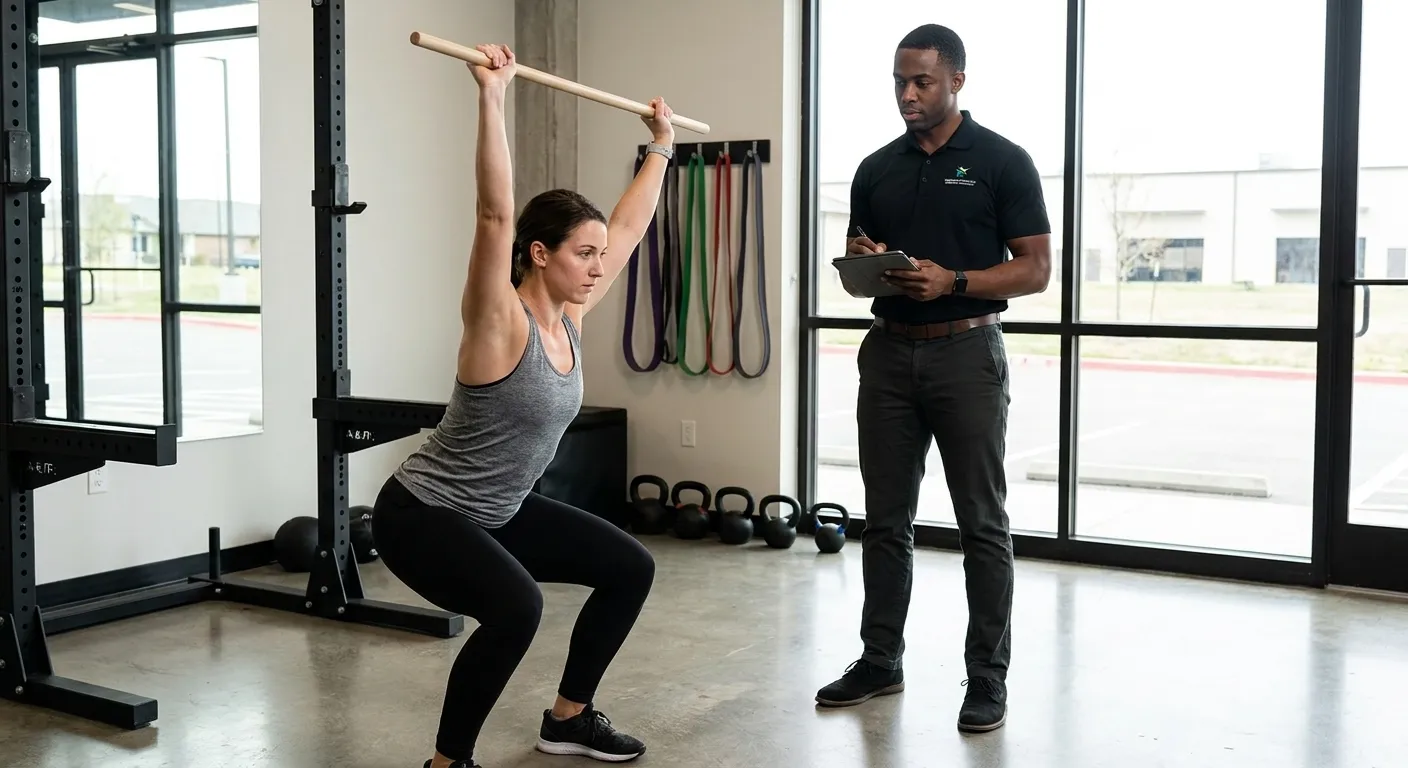
Shoulder impingement and rotator cuff pain frequently stem from poor mechanics or underlying weakness rather than the shoulder itself. With a targeted program, many patients experience meaningful functional improvements within six to eight weeks. A Functional Movement Assessment helps identify why the shoulder is being compressed, often revealing contributing factors in the upper back and neck that must be addressed to resolve the issue at its root.
Runner's Knee and Lower Extremity Overuse Injuries
Conditions such as runner's knee, IT band syndrome, Achilles tendinopathy, and plantar fasciitis are common among endurance athletes and active individuals. Recovery timelines vary from four weeks to several months depending on how long the issue has been present. A Running Gait Analysis or Running Form Assessment can identify the mechanical drivers behind these overuse patterns, allowing treatment to address the cause rather than just the symptoms.
The Three-Phase Approach at Process Physical Therapy and Performance
A systematic, phased approach ensures that patients move beyond pain relief and build lasting resilience.
Phase One: Reduce Pain and Restore Initial Mobility
The first priority is calming the injury and restoring basic movement. Techniques such as dry needling, manual therapy, soft tissue mobilization, and cupping are used to reduce sensitivity, address tissue restrictions, and create the conditions needed for the next phase of recovery.
Phase Two: Address the Root Cause
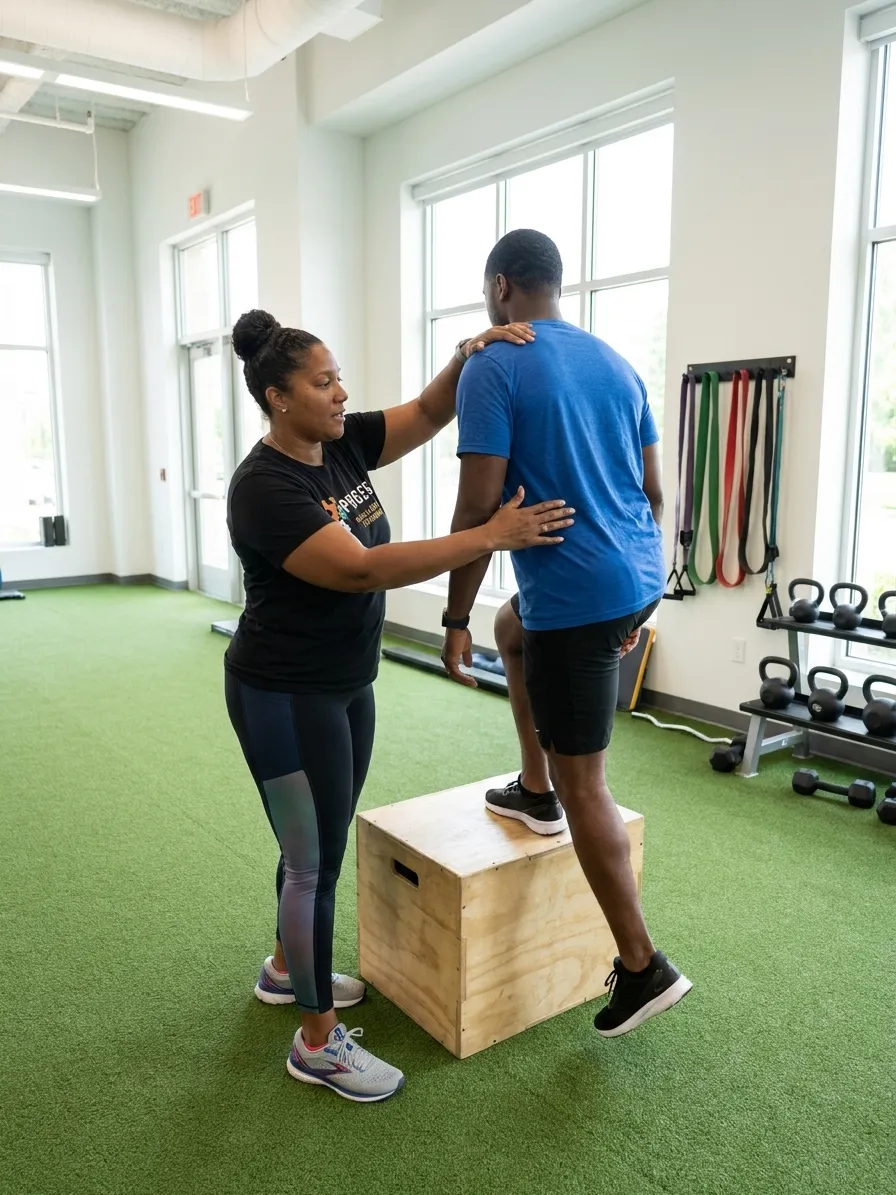
Once acute pain is under control, the focus shifts to identifying the biomechanical deficiencies that contributed to the injury. This may involve a movement screen, a Running Gait Analysis, or detailed assessment of strength and mobility imbalances throughout the kinetic chain. Treatments such as IASTM, joint mobilization, myofascial release, and neuromuscular re-education are integrated to correct these underlying patterns.
Phase Three: Build Long-Term Resilience
This phase is where performance-based physical therapy distinguishes itself from traditional rehabilitation. Advanced therapeutic exercise, strength and conditioning, plyometrics, and return-to-sport progressions are used to ensure you return to activity more capable than before the injury occurred. Return-to-Sport Testing provides objective data to confirm readiness.
Advanced Treatments That Support Faster, Smarter Recovery
Process Physical Therapy and Performance integrates a range of specialized modalities to optimize outcomes at every phase of recovery.
Staying Active During Recovery
Complete rest is rarely the answer. In most cases, movement can and should continue throughout the rehabilitation process. By modifying exercises and loading strategies, patients are often able to maintain fitness and strength while the primary injury heals.
Blood Flow Restriction Training
Blood Flow Restriction (BFR) training allows patients to build meaningful muscle strength using lighter loads, making it especially valuable during early post-surgical recovery or when heavy loading is not yet appropriate. This approach helps preserve and rebuild muscle without placing excessive stress on healing tissue.
Taping, Compression, and Electrical Stimulation
Supporting tools such as athletic taping, compression therapy, and electrical stimulation (TENS/NMES) are used strategically to manage pain, reduce swelling, and support neuromuscular function throughout the recovery process.
Assisted Stretching and Breathwork
Assisted stretching and breathwork and diaphragmatic training are incorporated to improve mobility, reduce tension, and support the nervous system's role in recovery. These modalities complement the strength-focused work and contribute to overall movement quality.
Ready to Optimize Your Recovery?
If you have been told to simply rest and wait, there is a more effective path forward. A recovery plan built around your performance goals, backed by objective testing and individualized care, can get you back to what you love doing faster and with greater confidence.
For expert Performance Physical Therapy in Riverdale, MD, contact Process Physical Therapy and Performance today to schedule your initial consultation and begin a personalized recovery journey built around your goals.
%20(1).webp)